
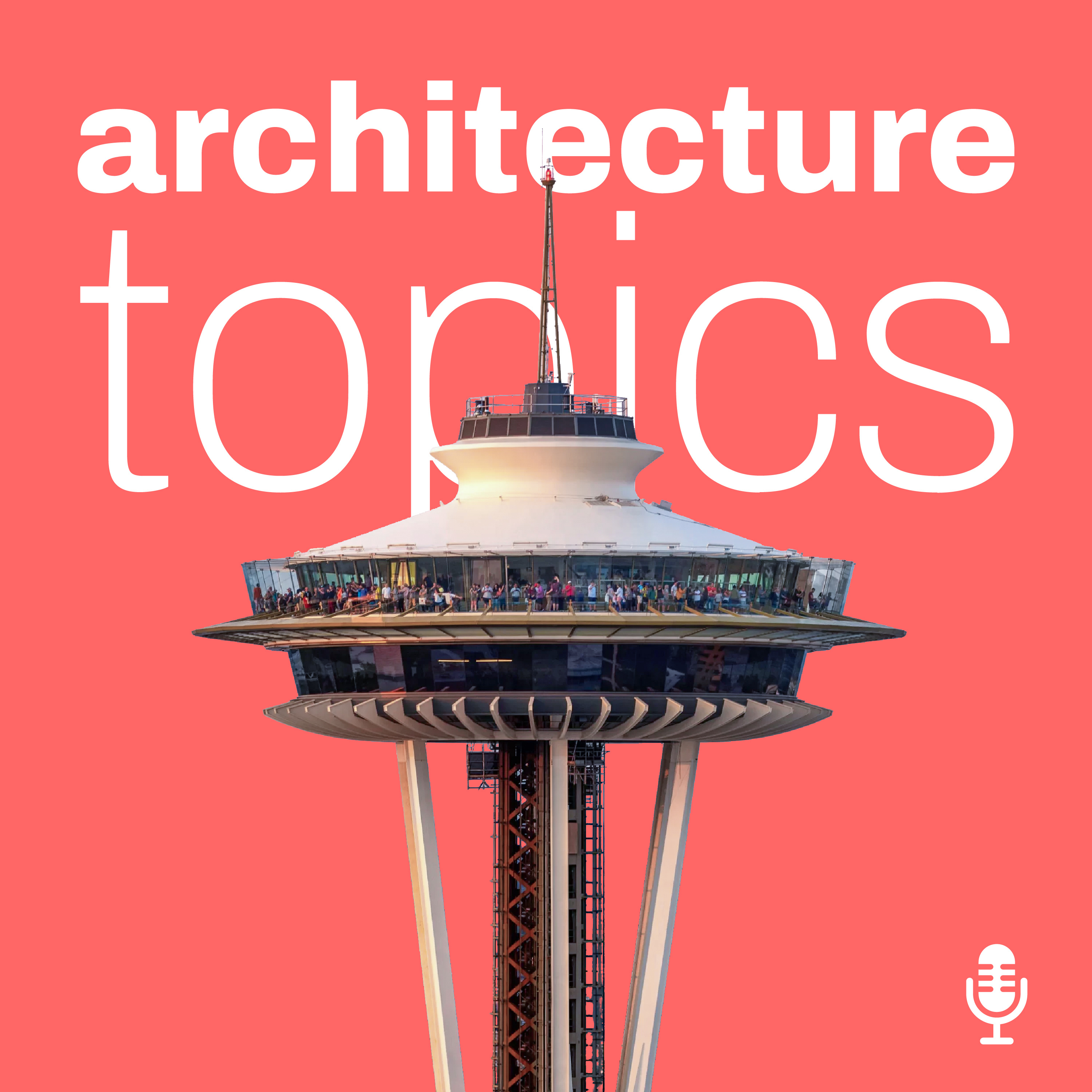





Seattle’s Space Needle is not just an architectural marvel but also a symbol of a city's ambition to leap into the future. In the late 1950s, Seattle was a growing city searching for an identity that would propel it onto the world stage. Hosting a World's Fair seemed like the perfect opportunity to claim prominence. But such a fair required an architectural centerpiece that would embody the spirit of the 21st century. The Space Needle emerged from this need, a structure as ambitious as the era it aimed to symbolize.
From Napkin Sketch to Reality
The concept for the Space Needle was born from a cocktail napkin sketch by Edward Carlson, a hotel executive with a flair for futurism. Carlson was inspired on a trip to Stuttgart, Germany, by a television tower that "turned something functional into a symbol." His sketch envisioned a soaring tower, slender at the base, flaring at the top, with a restaurant that seemed to float in the sky. This idea, while initially dismissed as fanciful, eventually gained traction among civic leaders eager to showcase Seattle’s potential.
Transformation from idea to reality demanded the expertise of architect John Graham and his team. Known for pioneering the revolving restaurant, Graham found a perfect canvas in Carlson's vision. He teamed up with Victor Steinbruck and Edward Anderson to create a "tripod base of three tapering legs" supporting a "flying saucer-like disc." Despite ridicule from the press, who called it "a flying saucer on a stick," the design persisted, embodying the Century 21 Fair's boldness.
The design team didn't flinch. To them, it was bold. It was modern. And it was perfectly in tune with the Century 21 theme.
Building the Future
Constructing the Space Needle was a race against time and nature. With just over a year to complete before the fair's opening in April 1962, the engineering challenges were immense. The tower had to withstand winds up to 200 miles per hour and potential earthquakes, reflecting Seattle's pioneering spirit of resilience. Financed by private investors, construction began in April 1961, as crews worked through rain and snow, pouring 5,600 tons of concrete into the foundations.
The tower's reputation quickly shifted from skepticism to local pride as it rose into view. Initially dismissed as a gimmick, it became a symbol of civic pride even before its completion. Locals gathered to witness its progress, transforming what was once scorned into an icon of the city. Just as planned, it opened in time for the fair, drawing swathes of visitors thrilled by the panoramic views it offered.
From day one, visitors lined up to ride the glass elevators to the top at a rate of some 20,000 people a day.
An Enduring Legacy
The Space Needle's legacy extends far beyond the 1962 World's Fair. At 184 meters, it became an enduring beacon of pride for Seattleites, featured in films, postcards, and as the backdrop for countless photos. Its legacy persists in its role as a symbol of the city's innovative spirit. Updated over the years, including 2018’s glass floors, its vision remains unblurred—still a symbol of boldness and a reminder of the city's aspirations.
The Space Needle remains a key icon, lighting up for holidays and New Year's celebrations, embodying not just history but an ongoing narrative of innovation and pride. For a deeper understanding of how a small sketch transformed into a monumental emblem of futurism, listening to the full podcast episode provides an insightful exploration into its journey.
