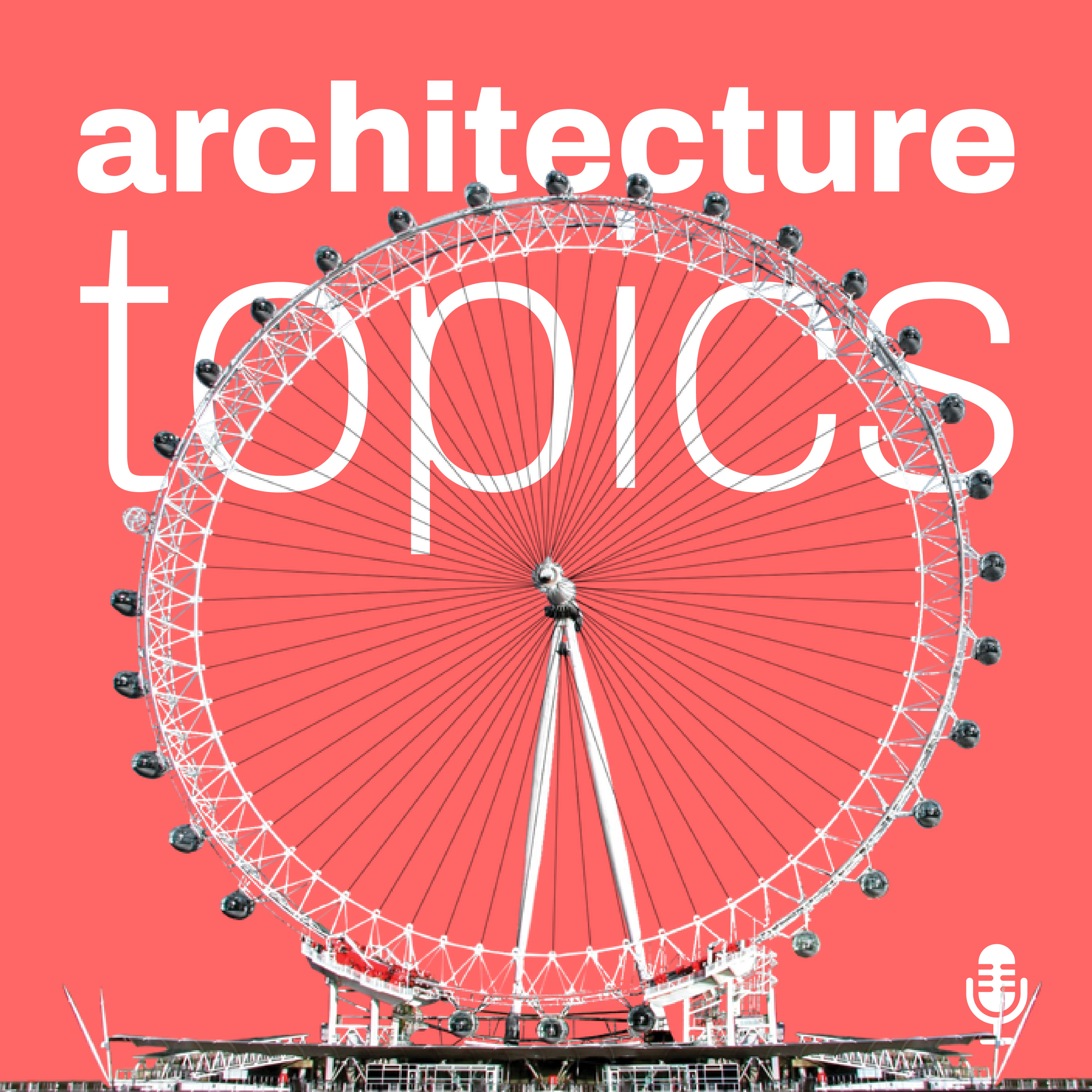




The London Eye, a striking fixture on the South Bank of the Thames, stands as a testament to bold ambition and architectural ingenuity. Initially conceived as a temporary installation for the new millennium, it has since become embedded in London's skyline. This journey is a fascinating tale of private risk, public skepticism, and an unexpected journey to permanence.
Envisioning the London Eye
During the late 1990s, the mood in Britain was upbeat, buoyed by a dynamic political climate and cultural Renaissance. Amidst this backdrop, architects David Marks and Julia Barfield conceived an ambitious idea. “What if we built the tallest Ferris wheel in the world?” they pondered, envisioning a monument for the future. Their goal was not to create fairground nostalgia, but a statement of elegance and precision—a monumental observation wheel.
The duo lacked official backing or a formal commission, leaving them to forge ahead as developers. They sought investors, facing rejection upon rejection, until a breakthrough came with British Airways. The airline was keen to sponsor a millennium project, providing the necessary momentum. Notably, the project’s original name, the Millennium Wheel, was replaced with the London Eye, a change that underscored its role as a lens through which to view the city.
The idea was risky, maybe even naive. But hey, if the government wasn’t going to build something iconic, maybe someone else should.
Architectural Feats and Political Challenges
Constructing the Eye was a feat of engineering ingenuity and political navigation. Unlike traditional Ferris wheels, the London Eye is cantilevered, supported on one side to appear as if it floats over the river. This design required a tension-based system akin to bicycle spokes, granting the structure its delicate appearance despite its monumental size.
Navigating London’s dense regulatory environment also posed challenges. The Eye's proposed site was public land, under multiple jurisdictions. The architects pitched it as a temporary installation, intended to last only five years, which facilitated passage through red tape. Rather than a permanent structure imposing itself on the city, it was envisioned as a temporary display of millennial optimism.
This wasn’t supposed to happen, and it certainly wasn’t supposed to last. But somehow, in that tiny window of millennial optimism, they pulled it off.
The Eye’s construction wasn’t without setbacks. Initially planned to open on New Year’s Eve, 1999, technical difficulties delayed its startup. Yet, once operational in March 2000, the public reception was extraordinary, with long lines and widespread acclaim.
From Temporary Marvel to Permanent Icon
The Eye quickly became more than a temporary attraction; it emerged as one of the United Kingdom's most visited paid sites, drawing millions annually and sparking discussions about permanence. The original plan for dismantling by 2005 was reconsidered as its popularity surged.
Securing its future required substantial re-evaluation of the permissions and design. Initially engineered for short-term operation, the wheel’s prolonged stay required new planning approvals and recalibrated manufacturing standards. Legal and structural negotiations ensued, finally culminating in its permanent status in 2006.
Today, the London Eye stands as an iconic part of the city, akin to landmarks like the Eiffel Tower in Paris. It does not dominate the skyline, but complements it, providing a unique way to experience London—from history's rich layers to the city’s contemporary heartbeat.
The Eye’s story is a resonant narrative of how a privately-born, ambitious idea can become an integral part of a city’s identity. To dive deeper into this journey woven with creativity and perseverance, listen to this compelling episode.