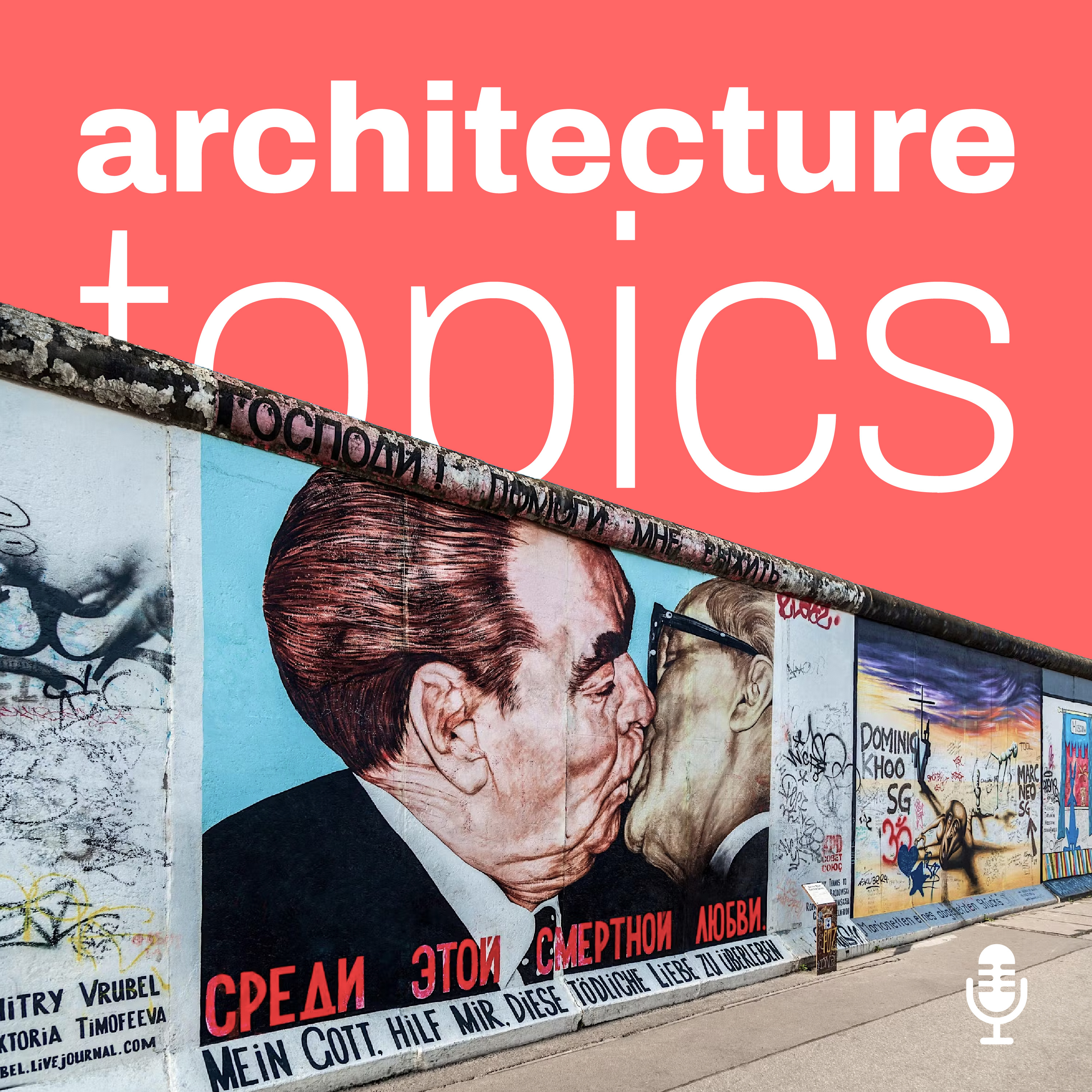


When we think of walls, we often imagine simple structures meant to divide space or provide shelter. However, the Berlin Wall was much more than that—a symbol of ideological conflict that spanned nearly three decades. This formidable barrier not only split a city but also dissected a world halfway across. Understanding the Berlin Wall's origins offers profound insights into how architecture shapes societies beyond its physical form.
The Birth of a Barrier
Following World War II, Germany was divided among the four major Allies: the United States, the United Kingdom, France, and the Soviet Union. Berlin, deep within the Soviet zone, was similarly parted into sectors. This division, while intended as a temporary solution, quickly became emblematic of the burgeoning Cold War. Berlin transformed into the physical and political frontline in a new global standoff.
The Western Allies promoted economic revitalization through the Marshall Plan, while the Soviets clamped down on Eastern Germany with stringent controls. This tension crystallized in the 1948 Soviet blockade of Berlin, which resulted in a dramatic response: the Berlin Airlift.
For almost a year, American and British planes landed every few minutes, day and night, bringing in food, coal, and medicine.
The resilience displayed in this airlift emphasized that Berlin would not be abandoned to Soviet pressure, and this very determination set the stage for its formal division in 1949.
By 1961, as East Germany faced significant emigration of its young and skilled populace, its government chose to halt this "brain drain" through architectural means. On August 13, 1961, a wall of barbed wire and concrete slammed across Berlin, transforming a unified city into a divided one. This instant and drastic change reshaped not only the city's geography but also its people's lives, suddenly separated by an insurmountable physical and ideological barrier.
An Ever-Evolving Structure
Initially, the Berlin Wall was hastily constructed with barbed wire, but soon it evolved through various phases to become an almost unbreachable fortress. The East German government continuously fortified the wall, creating a structure optimized for containment. From concrete slabs to rounded tops that deterred any attempts at scaling, each version was more imposing than the last.
Referred to by the East as the "Anti-Fascist Protection Rampart," the wall's true intent was an iron curtain trapping people within its borders. Progressive enhancements led to its most notorious evolution, aptly named the "Death Strip" for the restricted zone where escape attempts were nothing short of perilous.
Watchtowers began to rise, manned by armed guards, transforming streets that once connected neighborhoods into dead ends.
While East Germany maintained the wall with precision, ensuring no signs of neglect were visible, the West transformed it into a dynamic canvas. Graffiti turned the wall into a vibrant dialogue, where political slogans, poems, and diverse artworks defied the muted existence of the East. On the Western side, the wall became not only a grim symbol of oppression but also a platform of creativity and protest, encapsulating a spirited resistance in bold colors.
Breaking Down Barriers
By the late 1980s, the political landscape evolved, signaling the beginning of the end for the Berlin Wall. East Germany was losing its grip as protests emerged under the influence of broader reforms sweeping Eastern Europe. On November 9, 1989, a misreported government announcement accidentally opened the floodgates, allowing free passage. In a single night, the wall that had long been a fixture of oppression became a site of joyous celebration and reclamation.
Berliners immediately seized the moment, descending upon the wall with sledgehammers and bare hands, breaking through the concrete that had divided their lives for so long. As bricks tumbled and dust swirled, history was rewritten by ordinary people determined to demolish the symbols of separation. The liberation of Berlin was spontaneous, transformative, and a testament to the human spirit prevailing over division.
Today, pieces of the wall stand as remnants of a difficult past, preserved in places like the East Side Gallery, where it stands as a memorial and a piece of art. The enduring reminders serve not only to reflect on an era of division but also to underscore the architectural responsibility to foster unity. The Berlin Wall, once a definitive line of separation, has become a canvas celebrating freedom and reunification.
Listen further to the podcast episode to unlock more stories from this pivotal chapter in history.