
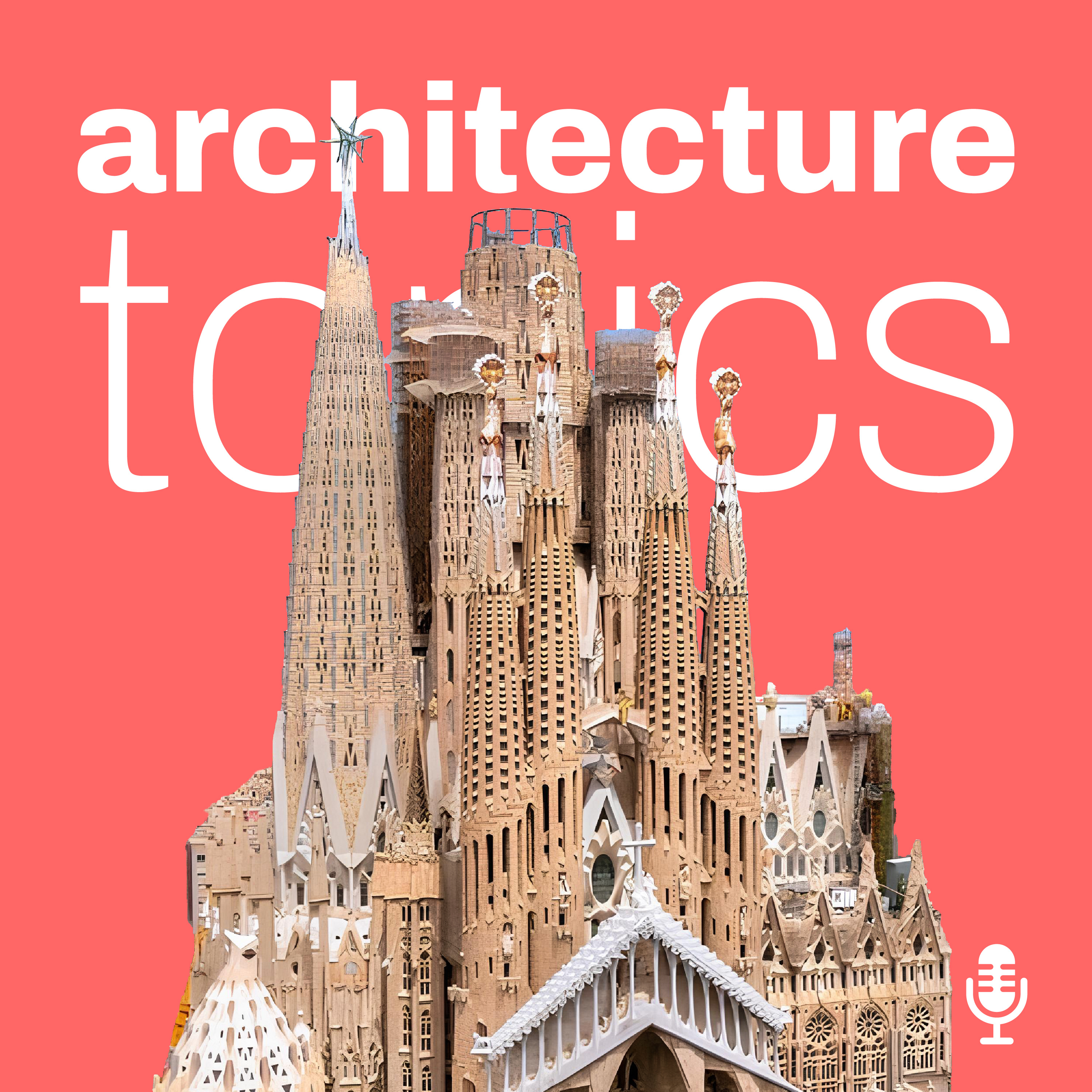






The Sagrada Familia in Barcelona is not merely a building; it is a living story of human endeavor, faith, and the limitless vision of its architect, Antoni Gaudí. This iconic basilica, which we have seen transform over generations, continues to capture imaginations worldwide. As we consider its history and ongoing construction, we uncover themes of devotion and patience intricately woven into every stone and line.
The Origins of Sagrada Familia: Ambition Meets Faith
In the late 19th century, Barcelona was a city of transformation, its streets expanding and its cultural heartbeat accelerating. Amidst this backdrop, a humble religious group, the Spiritual Association of Devotees of St. Joseph, embarked on an audacious project. Their idea was straight-forward yet profound: build a church dedicated to the Holy Family, funded entirely by donations. They purchased a plot on the city's outskirts, envisioning a grand architectural feat.
An initial plan by architect Francisco de Paula del Villar laid the foundation for a Gothic revival church. However, after his unexpected resignation, a new vision was needed. Enter Antoni Gaudí, a young, talented architect poised to redefine the structure's potential. At just 31, Gaudí took on the project with ambitions far beyond his years, gaining control of the architectural narrative through a blend of creativity and profound piety.
Gaudí was never one to follow convention. For him, the Sagrada Familia was not just a church but "a kind of living Bible in stone," a monumental narrative of faith captured in architectural forms. He envisioned three magnificent facades, each telling a chapter in Christ's life: the nativity, the passion, and the glory. To realize this, Gaudí's plans included leaf-like columns and towering spires, each infused with spiritual symbolism.
Gaudí's Singular Vision and Dedication
As construction progressed, Gaudí immersed himself in his creation.
Gaudí famously asserted that 'My client is not in a hurry, referring to his belief in God's timeline over human schedules
His immersive dedication was unparalleled. He lived on-site, committing every waking moment to the Sagrada Familia's evolution.
Gaudí's themes drew heavily on nature, employing geometric forms such as parabolas and hyperboloids, unheard of at such scales. He saw them as manifestations of divine design, insisting they be integral to the church's structure. His approach extended to ornamentation, with every surface—whether depicting biblical figures or celestial motifs—crafted with intention and care.
By the late 1890s, as Gaudí's vision became reality, some residents viewed the church as breathtaking, a stone-bound piece of heaven. Others criticized it as chaotic or overly ambitious. Despite diverse public opinions, Gaudí remained undeterred, continuing his labor of love with the deepest devotion. His commitment to the Sagrada Familia, as both architect and guardian, turned it into his life's defining project.
A Legacy Endures: From Gaudí's Time to Our Own
Gaudí's unexpected death in 1926 left the Sagrada Familia incomplete, with many elements still unrealized. What followed was a painstaking effort by his successors to continue from the sketches and ideas left behind, a task made more arduous by the Spanish Civil War's destruction. The site became a symbolic battleground of faith and design, struggling to move forward amidst adversities.
Over the decades, technology emerged as a powerful ally, with computer modeling and 3D printing aiding architects in visualizing and realizing Gaudí's complex designs. This modern influence revived construction and allowed Gaudí's spirit to continue guiding the basilica's completion.
Today, the Sagrada Familia stands as a testament to Barcelona's enduring creativity and cultural spirit. Declared a UNESCO World Heritage site, it is a global symbol of resilience in the face of time. As of 2025, the ongoing construction aims for completion by 2033, yet it consistently challenges our patience and reminds us that some dreams take centuries.
The Sagrada Familia, in all its incomplete glory, is a narrative about aspirations beyond our grasp—a reminder of the ambitions we pursue even knowing we may never personally witness their fulfillment. This unfinished masterpiece inspires us to ponder the limits of creativity and the power of faith, urging us all to look upward and see beyond what is immediately before us.
