
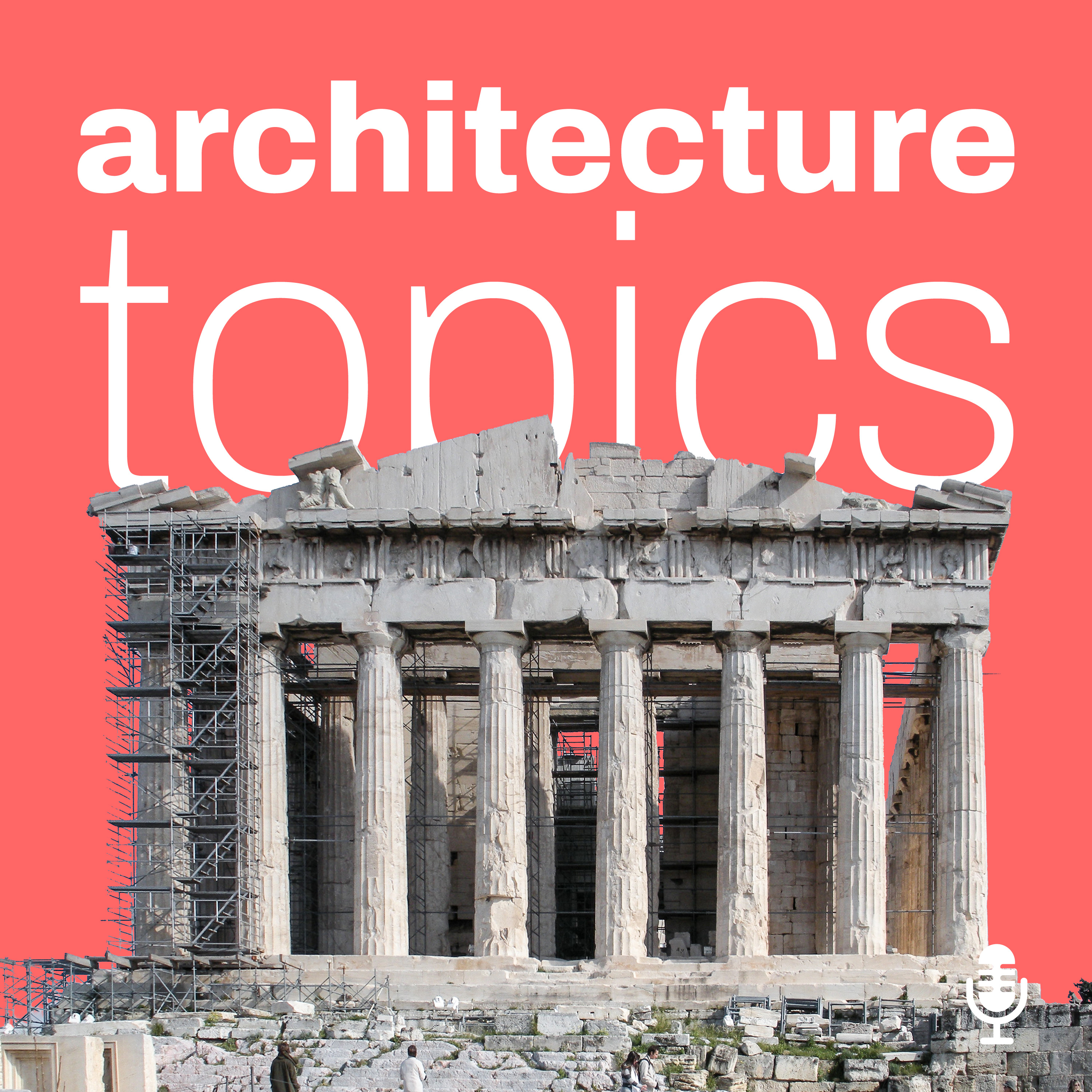





The Parthenon in Athens is not only an emblem of ancient Greek architecture but also a testament to human ingenuity. Constructed on the Acropolis, this architectural marvel symbolizes the ideals and ambitions of an entire civilization. But what makes the Parthenon so fascinating are the clever designs integrated by its architects, which reveal a deeper understanding of human perception. How did they create such a seemingly perfect structure?
Illusions in Marble: Understanding the Parthenon's Design
The Parthenon is a testament to the subtle art of optical illusion, crafted to appear flawless to the human eye. One of its most intriguing features is the stylobate, or base platform, which is deliberately raised at the center. This ingenious design addresses the optical illusion where a flat surface appears to sag. By subtly elevating the center, the architects ensured it looked perfectly level.
Additionally, the columns are not perfectly straight or vertical. Instead, they are slightly curved and lean inward to counteract the visual distortion that makes tall structures seem to bow outward at the top. The gentle swelling at the column's midpoint creates the illusion of uniformity and strength. This technique highlights the ancient Greeks' grasp of how geometry and optics could be manipulated to create aesthetic harmony.
The corner columns are even thicker and closer together than others to address light exposure. This was more than a structural consideration; it was about ensuring visual balance, showcasing the Greeks' mastery of visual psychology. As a result, the Parthenon was intentionally designed not for abstract perfection but for how it is perceived, bridging the gap between reality and human vision.
The Parthenon as Athenian Identity
Commissioned by Pericles, the Parthenon was a symbol of Athenian greatness and cultural dominance. It was funded through the controversial use of the Delian League's defense funds. This decision highlighted Athens' role as a central power in Greece. Pericles' vision was executed by the architects Iktinos and Callicrates, with Phidias overseeing its sculptural artistry.
The building housed the majestic statue of Athena Parthenos, a colossal figure almost 12 meters tall, designed by Phidias.
This wasn't just a devotional statue. It was a monument to power.
The statue's presence within the Parthenon conveyed Athens' wealth and its citizens' reverence for the goddess who symbolized wisdom and warfare.
The surrounding decorations, including the elaborate friezes and metopes, extended the statement of power and cultural supremacy. These depicted mythical battles, like Greeks versus Amazons, which were symbolic of the struggle between civilization and barbarism. In these sculptures, the narrative was clear: Athens was the defender of order and culture—a visual manifesto immortalizing their identity and values for all to see.
Legacy of the Parthenon Through Time
Over the centuries, the Parthenon has embraced many roles, from a Christian church to an Ottoman mosque, yet its essence as a cultural symbol remains untarnished. Despite enduring significant damage, including an explosion in 1687 during the Ottoman-Venetian War, its ruins still stand as a symbol of Greece's rich history. However, it is also at the center of a modern cultural debate regarding the Elgin Marbles, which were removed and taken to Britain.
These sculptures continue to drive discussions about cultural heritage and ownership. Acknowledging this ongoing debate, one might ask,
"The Parthenon, in a sense, has become a symbol of that argument, of how we treat heritage, who it belongs to, and what restitution really means."
Even as a relic, the Parthenon remains a powerful emblem of the philosophical and aesthetic principles that defined ancient Athens. Its legacy endures in how it reflects human achievement through architecture and art. As we ponder its historical role and architectural ingenuity, the Parthenon speaks not only to ancestors but continues to resonate with people today, inviting them to explore its history and meaning further.
