
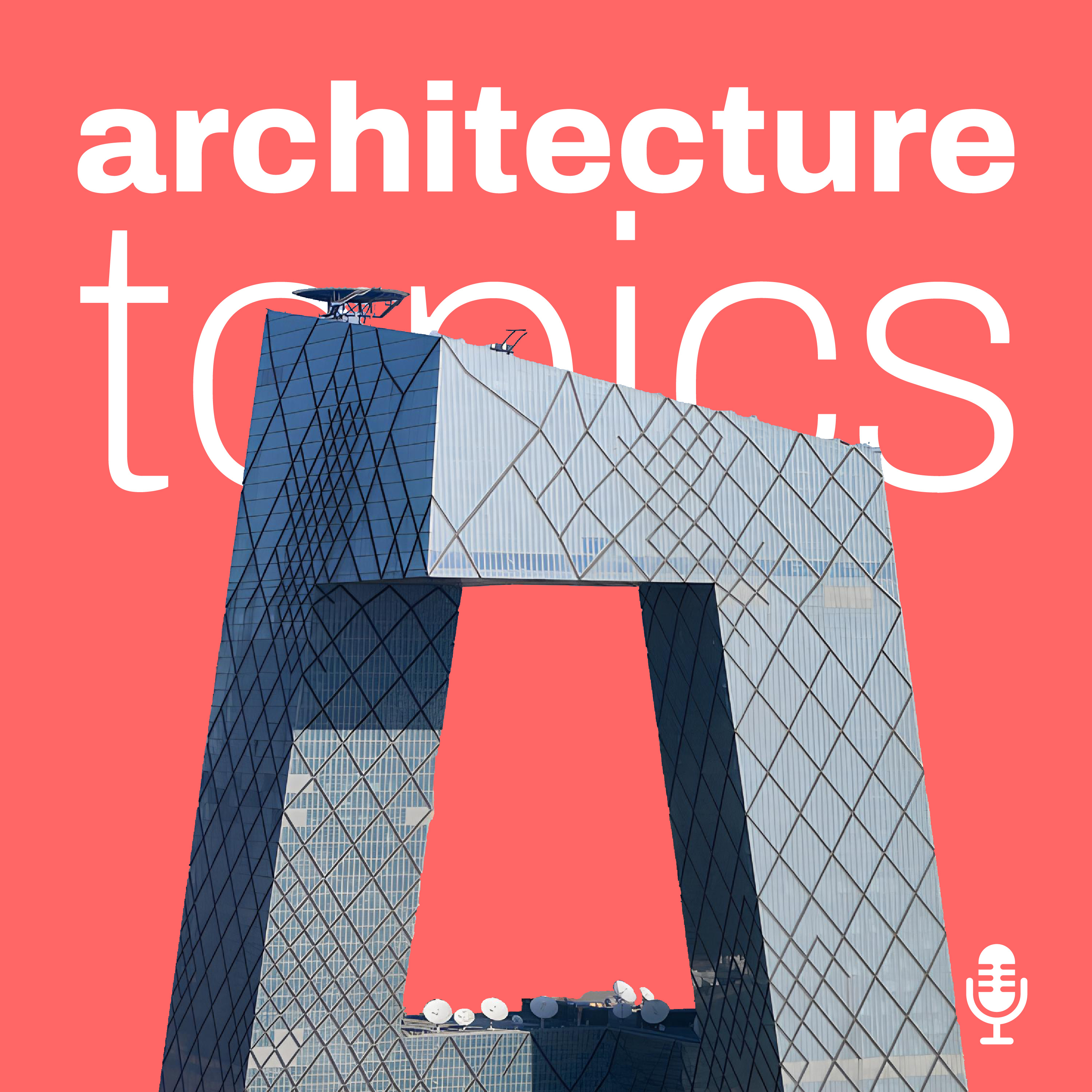





The CCTV Headquarters in Beijing is not just an office building; it's a manifestation of modern architectural daring and a symbol of China's 21st-century transformation. As a project designed by the acclaimed Rem Koolhaas and his firm OMA, this structure breaks conventional skyscraper design norms by creating a massive loop of glass and steel that challenges both gravity and traditional aesthetics. Built in anticipation of the 2008 Olympics, the building is more than a mere architectural experiment—it boldly represents China’s ambition and its emergence as a global power. This exploration delves into how this innovative design came to be and the impact it has made on a national and global scale.
The Vision Behind an Architectural Marvel
As Beijing underwent rapid urban transformation in the early 2000s, the Chinese government envisioned architecture as a tool to project modernity and confidence to the world. The CCTV Headquarters was conceived not just as a place of work for a state media giant but as a testament to innovation. With the opportunity to embark on such a landmark project, Rem Koolhaas's firm OMA joined the competition, bringing its reputation for provocative designs to the fore. This was a moment for architecture to achieve something beyond conventional structure—a visible statement reflecting China’s evolving identity.
The design emerged as a continuous loop, with two leaning towers joined by perpendicular sections at the top and bottom. This unconventional arrangement was a stark contrast to the typical skyscrapers dominated by verticality.
The building’s silhouette reflects a Möbius strip folded into a three-dimensional space, capturing the interconnected essence of media production.
Thus, the structure symbolizes more than form; it embodies the function and flow of information within its walls.
OMA’s approach was unconventional and demanded audacious engineering solutions. Working alongside ARUP and Cecil Balmond, Koolhaas successfully translated his radical design into a practical structure that defied traditional engineering limits. This design pushed architects to reconsider the role of symbolism and functionality in large-scale projects.
Engineering and Construction Challenges
Constructing the CCTV Headquarters was a monumental endeavor, involving unfamiliar engineering challenges due to its atypical form. The massive cantilevered sections posed significant structural hurdles, requiring innovative solutions such as the diagrid system. This dense network of steel triangles distributes the building's weight diagonally across its facade, providing the necessary support for such a unique structural form. The engineering finesse demonstrated here set a new standard in skyscraper construction.
Construction began in 2004 and spanned nearly a decade. Throughout this period, the building had to balance political symbolism with structural integrity, reflecting the complex interplay between architecture and state interest. At every step, from the innovative diagrid to the intricately woven exoskeleton,
The project required meticulous attention to detail, ensuring accuracy under conditions rarely attempted in skyscraper design.
Every decision carried the weight of its symbolic value, a testament to China's state identity and organizational ethos.
Despite the complexities, the CCTV Headquarters stands today, embodying not just an architectural feat but also a socio-political narrative etched in steel and glass. Its completion marked an era where Chinese architecture embraced boldness and complexity. This approach paved the way for a future that values architectural creativity and its power to communicate cultural evolution.
Cultural Impact and Critical Reception
The significance of the CCTV Headquarters extends beyond its construction; it has sparked intensive discussion about national identity, global influence, and architectural form. While critics have praised it for challenging the conventional glass box mold, others have questioned the symbolism of a Dutch-designed landmark serving as China's state media headquarters. The building’s completion came as a pivotal point in architectural discourse, raising questions about the interplay between culture and design.
Public reception within China was mixed. Nicknamed "Big Pants" due to its distinctive shape, it was both praised as a modern marvel and critiqued as out of touch with traditional aesthetics. Yet, the building's impact on architecture worldwide is unmistakable. It has encouraged more daring architectural projects within China and validated global architectural experimentation.
The CCTV Headquarters has redefined expectations, showing that a building can be sculptural, complex, and integrative within its urban context.
Critics acknowledge its role in reshaping how architectural spaces are perceived and utilized in the modern era.
Today, the CCTV Headquarters remains a testament to innovation and ambition, a beacon in Beijing's skyline. It continues to inspire and provoke thought through its bold design and architectural bravery.
For those curious about its intricate journey from vision to reality, we invite you to explore the full episode, where architecture meets narrative, and a building tells the story of an era.
