
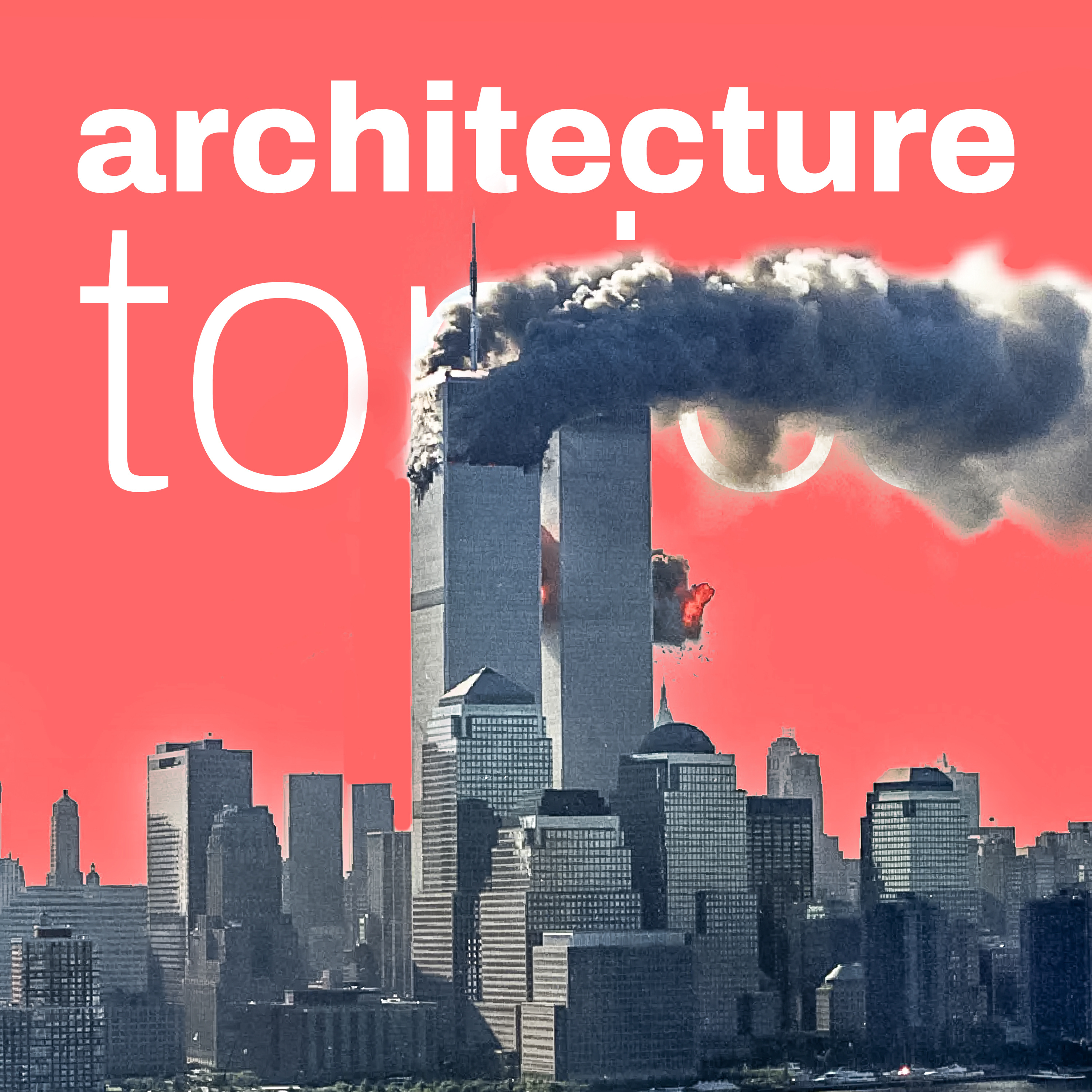






The Twin Towers of the World Trade Center, once architecturally celebrated, became the epicenter of tragedy on September 11, 2001. A typical day in Lower Manhattan was disrupted first at 8:46 AM when a plane struck the North Tower. This event set off a catastrophic sequence that few could have anticipated. As we delve into why these extraordinary structures fell, we uncover a narrative of extreme engineering challenges and the cruel confluence of fire, impact, and structural vulnerability.
The Immediate Aftermath of Impact
On that fateful morning, the routine of the World Trade Center was shattered by surprise. The first plane hit the North Tower at 8:46 AM. Initially, confusion reigned as onlookers speculated about a potential accident, recalling a 1945 incident when a military plane crashed into the Empire State Building.
The towers were designed with redundancy, a feature engineered to withstand significant trauma without collapse. Yet, the attackers had exploited weaknesses unforeseen by the designers. At 9:03 AM, United Airlines Flight 175 struck the South Tower. Witnessed globally, this was no accident; it upended presumed security and structural myths.
At first almost no one imagined the towers might be at risk of collapsing
Still, those above the impact zones faced imminent peril, trapped with stairways severed and help out of reach.
The Role of Fire in the Collapse
While the initial impacts were catastrophic, the fires that ensued were the true culprits in the towers' destruction. Fueled by large quantities of jet fuel, these fires exceeded what typical fireproofing could withstand. The fireproofing that was supposed to shield the steel infrastructure had been rendered ineffective by the forceful impact.
The damage forced the floor trusses to sag under the heat, systematically undermining the building's structural integrity.
This heat did not melt but rather sufficiently weakened the steel by reaching around 600 degrees Celsius, causing the steel framework to become pliable and structurally unsound. Without their intended rigidity, the towers were destined to collapse. The trusses, burdened by fire, pulled the structural elements inward, fragility magnifying under the immense, added weight.
Each structural component failure hastened the unavoidable collapse, culminating in a chain reaction where floors succumbed sequentially, amplifying pressure and speed.
The Unforeseen Architectural Lessons
By the conclusion of September 11, 2001, the Twin Towers, long symbols of New York's strength, had succumbed. Their fall was a tragic testament to vulnerabilities that architects and engineers must not overlook. This tragedy changed not only the skyline but also the discourse in architecture and urban planning, emphasizing resilience and preparedness for the unthinkable.
The collapse showed that it was not merely one factor but a confluence of forces—impact, fire, and gravity—that converged to bring down these giants of the skyline. The events of that day prompted architects to revisit skyscraper designs, pushing for innovations that address the hazards of modern urban environs.
As we reflect on the harrowing images from Lower Manhattan, we embrace a now pivotal lesson in both sorrow and resilience.
For a deeper exploration of these fateful moments and the ongoing journey of rebuilding, the full episode provides an insightful narrative aligned with our pursuit of understanding and remembrance.
